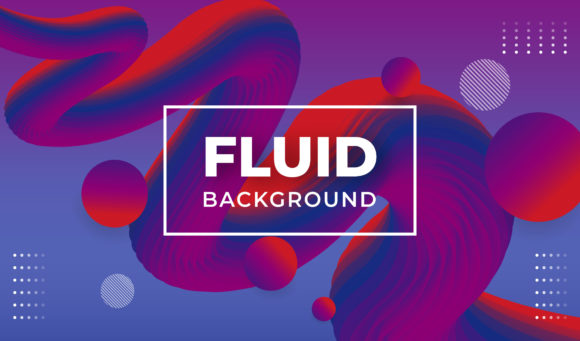
The Art and Science of Gradient 3D Fluid Wave Shape Backgrounds in Modern Design
If you have browsed a modern website, scrolled through a startup's landing page, or explored a contemporary brand identity in recent years, you have almost certainly encountered gradient 3D fluid wave shape backgrounds. These flowing, color-rich, depth-filled visuals have become a hallmark of modern digital aesthetics. But beyond their obvious beauty, these backgrounds serve a deeper purpose in design, communication, and user experience. This article explores what gradient 3D fluid wave shapes are, why they matter, how they are created, and how you can use them effectively in your own projects.
What Are Gradient 3D Fluid Wave Shape Backgrounds?
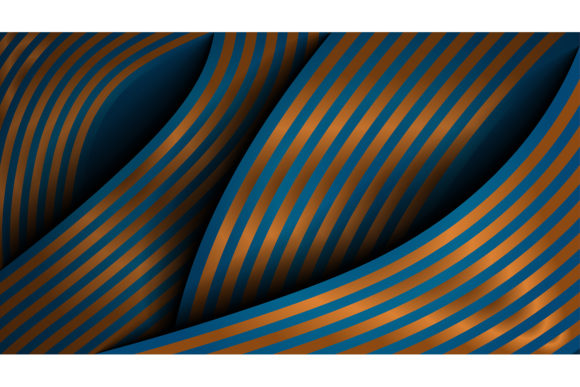
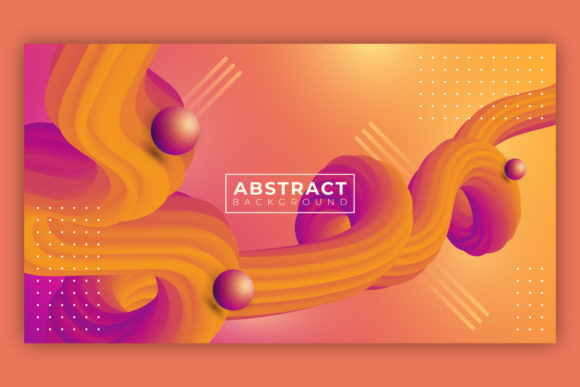
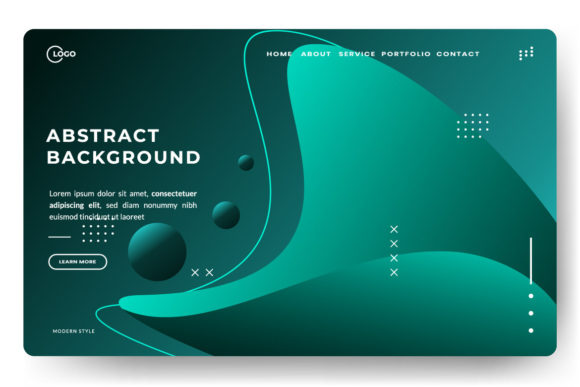
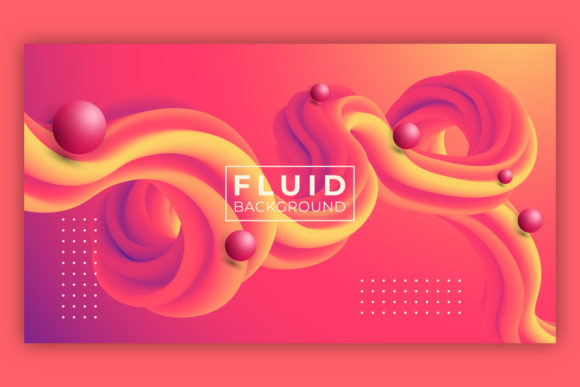
At its simplest, a gradient 3D fluid wave shape background is a visual design element that combines three key features: gradient color transitions, three-dimensional depth, and fluid, wave-like forms. Unlike flat or static backgrounds, these elements appear to move, breathe, and flow across the screen. They often simulate the organic movement of water, smoke, or fabric, but with a polished, digital finish.
The gradient aspect refers to the smooth blending of two or more colors. The 3D element introduces depth, shadow, and perspective, making the wave appear to exist in a three-dimensional space. The fluid wave shape itself is the central form — a continuous, undulating curve that can be layered, rotated, and animated to create a sense of motion and energy.
The Evolution of Background Design: From Flat to Fluid
To understand the significance of gradient 3D fluid wave backgrounds, it helps to look at the evolution of visual design over the past decade. In the early 2010s, flat design dominated the digital landscape. Inspired by minimalism and driven by the need for fast-loading interfaces, flat design stripped away gradients, shadows, and textures. It was clean, functional, and accessible, but it often lacked emotional warmth and visual richness.
As technology improved — especially with faster internet connections, advanced CSS capabilities, and powerful design tools — designers began to reintroduce depth and texture. Skeuomorphism made a partial comeback, but in a more refined form. Then came material design, which used shadows and layers to suggest depth without heavy ornamentation. Gradually, gradients reappeared, first in subtle form and then in bold, vibrant expressions.
The fluid wave trend emerged from the convergence of several forces: better browser support for CSS gradients and animations, the rise of SVG and WebGL for complex shapes, and a cultural shift toward organic, nature-inspired aesthetics in a world dominated by digital interfaces. Today, gradient 3D fluid wave backgrounds represent a mature design language that balances beauty with usability.
Core Elements: Gradients, Fluidity, and Depth
Let us break down the three core components of this design style.
Gradients
Gradients create the color palette of the wave. They can be subtle (e.g., light blue to soft lavender) or dramatic (e.g., deep magenta to electric cyan). The gradient gives the background its emotional tone. Warm gradients feel energetic and inviting; cool gradients feel calm and professional. Modern gradients often use multiple stops and non-linear transitions to mimic natural light effects.
Fluidity
Fluidity refers to the shape and motion of the wave. Unlike rigid geometric patterns, fluid waves are organic. They curve, stretch, and twist in ways that feel natural. When animated, they can simulate the gentle movement of water or the dynamic flow of wind. This fluidity makes the background feel alive and engaging, rather than static and passive.
Depth
The 3D aspect is what sets these backgrounds apart from simpler gradient blobs. Through techniques like parallax layering, lighting effects, and perspective distortion, designers create the illusion that the wave exists in a three-dimensional space. This depth draws the viewer's eye and creates a sense of immersion. It also helps separate foreground content (like text or buttons) from the background, improving readability.
The Technology Behind the Aesthetic
Creating gradient 3D fluid wave backgrounds is now more accessible than ever, thanks to a range of tools and technologies.
- CSS and SVG: For web designers, CSS gradients combined with SVG shapes can produce beautiful fluid wave backgrounds without heavy file sizes. With
linear-gradient,radial-gradient, andconic-gradientfunctions, along with SVG path elements, you can craft waves that respond to user interactions. - WebGL and Three.js: For more complex 3D fluid waves, WebGL frameworks like Three.js allow real-time rendering of three-dimensional surfaces that can morph, pulse, and react to input. This is ideal for hero sections or immersive experiences.
- Design Tools: Adobe Photoshop, Illustrator, Figma, and especially Blender or Cinema 4D are used to create high-quality static or animated wave backgrounds. These can be exported as video loops or sprite sheets for use on websites and apps.
- Generative AI and Plugins: Emerging tools like Midjourney, DALL·E, or specialized plugins for design software can generate unique fluid wave patterns from text prompts, speeding up the creative process.
Practical Applications Across Industries
Gradient 3D fluid wave backgrounds are not limited to one niche. They have found relevance across many fields.
Web and App Design
The most obvious use is in digital interfaces. Hero sections, login screens, and landing pages use fluid wave backgrounds to create a strong first impression. They add a sense of premium quality and innovation. Many SaaS products and tech startups use these backgrounds to convey modernity and forward-thinking values.
Branding and Identity
Fluid wave backgrounds can be integrated into a brand's visual identity. They appear in social media graphics, presentation templates, and even physical packaging. The fluidity suggests adaptability and creativity, while the gradients communicate energy and optimism.
Digital Marketing
Email headers, ad banners, and video thumbnails benefit from the visual pull of fluid waves. Because they are dynamic and colorful, they tend to capture attention in crowded feeds. When animated, they can increase click-through rates by creating a sense of movement and urgency.
Education and E-Learning
Online courses and educational platforms use fluid wave backgrounds to make learning interfaces more inviting. A well-designed background can reduce cognitive load by providing a visually pleasing environment that does not distract from content.
Creative Portfolios
Artists, photographers, and designers use these backgrounds to frame their work. A subtle fluid wave behind a gallery image can add depth and context without competing with the main subject.
Why They Work: Psychology and Visual Perception
The popularity of gradient 3D fluid wave backgrounds is not accidental. They tap into several psychological principles.
Biophilia: Humans are naturally drawn to organic shapes and patterns that resemble nature. Fluid waves evoke water, clouds, and landscapes, which trigger positive emotional responses.
Visual flow: The curved lines of a wave guide the eye across the screen in a natural, comfortable way. This can direct attention to key elements like headlines or call-to-action buttons.
Depth perception: The 3D effect creates a sense of space that makes interfaces feel more tangible and less flat. This can increase user engagement and time spent on a page.
Color psychology: Gradients allow designers to use multiple colors strategically. A gradient that moves from blue to purple, for example, can combine the trust associated with blue and the creativity associated with purple.
Common Misunderstandings and Best Practices
Despite their popularity, there are several misconceptions about using gradient 3D fluid wave backgrounds.
- Misunderstanding 1: More complexity is better. A common mistake is using overly intricate wave patterns that overwhelm the content. The best fluid wave backgrounds support the content, not compete with it. Subtlety is often more effective.
- Misunderstanding 2: They work everywhere. While beautiful, these backgrounds are not suitable for every context. For example, a data-heavy dashboard or a text-heavy blog may benefit from a simpler, more neutral background.
- Misunderstanding 3: They are just decoration. When used thoughtfully, fluid wave backgrounds can enhance usability by creating visual hierarchy, improving contrast, and guiding the user's eye. They are not mere decoration but functional design elements.
For best results, follow these practices: keep the wave motion slow and smooth to avoid dizziness; ensure sufficient contrast between the background and foreground content; test the design on different screen sizes and devices; and use performance-optimized assets to prevent slow loading.
How to Incorporate Gradient 3D Fluid Wave Backgrounds Into Your Projects
If you are ready to use these backgrounds, here is a practical approach.
- Define your purpose: Ask yourself what emotional tone or message you want the background to convey. Is it energy, calm, innovation, or trust? Your color palette and wave shape should align with that goal.
- Choose your tools: For simple static backgrounds, use CSS gradients and SVG shapes. For animated backgrounds, consider using a library like Particles.js, Three.js, or a video loop from a stock asset site.
- Test readability: Place your text and key elements over the background and check for readability. You may need to add a subtle overlay or shadow to maintain contrast.
- Optimize performance: Animated fluid waves can be resource-intensive. Use lightweight assets, limit the animation to a specific section (like the hero), and consider using CSS animations instead of JavaScript for simpler effects.
- Iterate and get feedback: Show your design to others and see how they respond. Often, what looks great to the designer may be distracting to the end user.
The Future of Fluid Design
As technology continues to evolve, gradient 3D fluid wave backgrounds will likely become more interactive and personalized. We may see backgrounds that respond to a user's movement, mouse position, or even biometric data. With the rise of virtual and augmented reality, fluid shapes could become part of immersive environments. Additionally, as AI-driven design tools become more sophisticated, generating and customizing fluid waves will require even less effort, allowing designers to focus on higher-level strategy.
At the same time, there will be a counter-movement toward minimalism and simplicity. The most successful designs will be those that use fluid waves judiciously, blending them with other elements to create balanced, user-centered experiences.
Conclusion
Gradient 3D fluid wave shape backgrounds are far more than a fleeting trend. They represent a mature design language that combines color, motion, and depth in ways that resonate with human psychology and modern aesthetics. Whether you are a web designer, brand manager, marketer, or creative professional, understanding how to use these backgrounds effectively can elevate your work and connect with your audience on a deeper level. By balancing creativity with usability, you can harness the power of fluid design to create experiences that are not only beautiful but also meaningful.