Exploring Watercolor Beach Nature Landscapes
Watercolor beach nature landscapes capture the delicate beauty where sand meets sea, blending soft pigments into scenes that feel alive yet tranquil. Unlike photography, which records every detail, watercolor invites interpretation. A single wash of cerulean can suggest an entire sky, while a few brushstrokes in warm ochre hint at sunlit cliffs. This art form appeals to anyone who has ever stood at the shoreline and wished they could hold onto that fleeting light.
What Makes a Watercolor Beach Landscape Unique
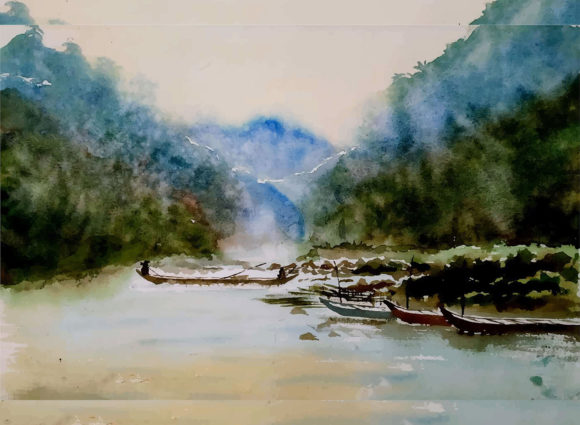
At its core, a watercolor beach nature landscape is a painting created with water-based pigments on paper, focusing on coastal scenes. The medium itself dictates much of the character. Watercolor flows, bleeds, and lifts off the page in ways that mimic natural elements—waves, mist, shifting clouds. Artists often work from light to dark, preserving white paper for highlights like foam on a wave or sunlight bouncing off wet sand.
The appeal lies in its unpredictability. Even experienced painters find that water has its own will. A wash might spread further than intended, creating a soft horizon that feels more real than any straight line. This serendipity makes every piece unique. For viewers, these landscapes evoke a sense of calm, nostalgia, or wanderlust. For creators, they offer a forgiving yet challenging way to express emotion through color and texture.
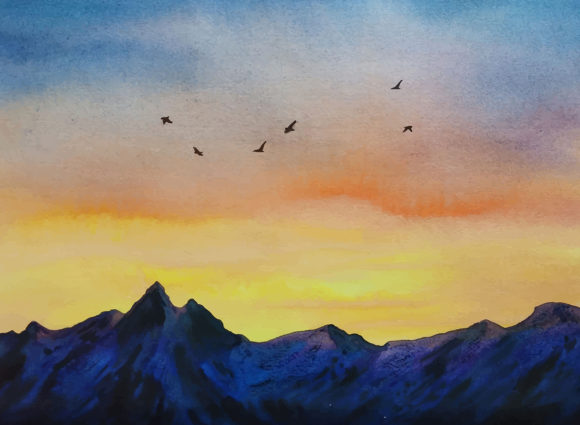
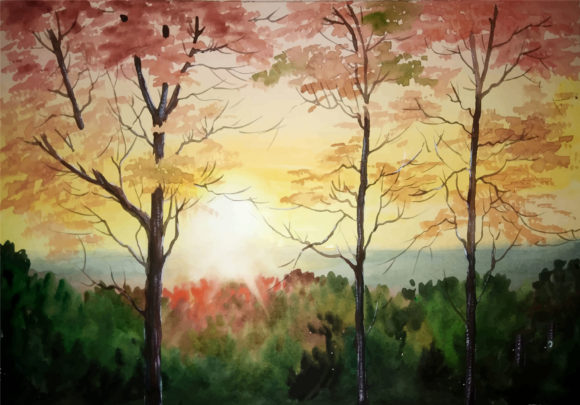
Watercolor beach scenes are not about perfect replication. They are about suggestion. A few dabs of Payne’s gray and ultramarine can read as storm clouds. A thin wash of yellow-orange across the top third of the page becomes a sunset. This economy of detail is part of why people find the style so captivating—it leaves room for the imagination.
Why People Are Drawn to Coastal Watercolors
There are many reasons someone might become interested in watercolor beach nature landscapes. Some are looking for a creative outlet that does not require expensive supplies or a studio. Others want to capture memories from a favorite vacation spot. Professionals may use watercolor studies as quick field sketches for larger oil paintings. Educators find the medium useful for teaching color theory, value, and composition in a single sitting.
For beginners, the barrier to entry is low. A basic set of paints, a few brushes, and watercolor paper are enough to start. There is no pressure to produce gallery-worthy work immediately. Many people find the process itself meditative. Mixing colors, watching pigment settle into wet paper, and letting layers dry between strokes encourages patience and observation.
Common goals include learning to paint loose, expressive scenes rather than tight, photographic ones. People want to capture the feeling of a place rather than a map of it. They may struggle with overworking their paintings—adding too many details until the freshness is lost. Watercolor teaches restraint. It rewards those who know when to stop.
Realistic Needs That Watercolor Beach Landscapes Address
- Creative expression without overwhelm – Watercolor allows quick results. A small beach study can be completed in 30 minutes, which fits busy schedules.
- Portable art practice – A compact palette, a water brush, and a small block of paper fit into a daypack. Artists can paint plein air at the beach or from reference photos at home.
- Affordable gifting and decor – Original watercolors make thoughtful, personal gifts. They also sell well at local markets or online shops for those exploring creative entrepreneurship.
- Skill building for other mediums – Many illustrators and designers use watercolor as a foundation for digital painting or mixed media work.
Where and How Watercolor Beach Nature Landscapes Are Used
The versatility of this art form extends well beyond personal hobby. In commercial contexts, watercolor beach scenes appear in branding for coastal hotels, surf shops, and wellness retreats. The soft, organic look conveys authenticity and relaxation, which aligns with lifestyle businesses. Bloggers and social media content creators use watercolor visuals as headers, dividers, or background art to soften the feel of their websites and posts.
Educators integrate watercolor beach landscapes into art classes to teach wet-on-wet techniques, color mixing, and atmospheric perspective. The beach provides a natural subject for studying horizon lines, reflection, and simplifying complex shapes into blocks of value. Even math or science teachers can use beach landscapes to discuss tides, erosion, or light refraction in an engaging, visual way.
For small business owners, offering custom watercolor beach commissions can differentiate a shop. A customer might request a painting of the beach where they got engaged, and that piece becomes a meaningful product. Freelancers in graphic design sometimes scan watercolor textures and incorporate them into digital compositions, giving their work an organic feel that pure vector art lacks.
Practical Use Cases Across Different Roles
- Hobbyist painter – Spends weekends painting local beaches, learning to mix granulating pigments for sand textures, and eventually gives framed pieces to friends.
- Content creator – Films a time-lapse of painting a wave and posts it to social media, attracting an audience interested in art and coastal living. The video serves as both portfolio and marketing.
- Small business owner – Opens an Etsy shop selling original watercolor beach landscapes and printed greeting cards. Focuses on specific coastal regions to appeal to locals and tourists.
- Educator – Designs a six-week course titled “Watercolor Seascapes for Beginners,” covering materials, basic washes, and how to paint sky, water, and shore in stages.
- Wellness practitioner – Uses watercolor beach landscapes in a mindfulness workshop. Participants paint simple waves while focusing on breath and brush rhythm, combining art with relaxation.
Important Considerations Before You Start
Before diving into watercolor beach nature landscapes, it helps to understand a few practical realities. First, paper matters more than paint. Student-grade paper may buckle under heavy washes, leading to frustration. A block of 140 lb cold-press watercolor paper is a worthwhile investment. Second, not all paints are equal. Artist-grade pigments have higher lightfastness, meaning your work will not fade over time. For practice, student-grade sets are fine, but if you intend to sell your work, quality materials matter.
Beach scenes present specific challenges. Sand and water both require careful value control. Beginners often make sand too dark or water too flat. Observing real beaches—how wet sand reflects the sky, how waves darken toward the horizon, how foam scatters—is essential. Reference photos are helpful, but try to work from your own so you understand the conditions. Watch how light changes across the day. Early morning and late afternoon offer dramatic contrasts and warm shadows.
Another consideration is style. Watercolor can be tight and detailed or loose and impressionistic. Many beginners try to control the medium too much, using small brushes and dry techniques. This often results in muddy, overworked paintings. Embracing wetness, letting colors blend on the page, and using larger brushes early in the process usually leads to better results. It takes practice to trust the paint and water to do some of the work.
What to Keep in Mind as You Progress
As you develop your skills, you will likely find a balance between planning and spontaneity. Some artists sketch lightly in pencil before painting. Others dive straight into washes. Both approaches are valid. The key is to remain flexible. If a wash goes wrong, you can lift it with a clean damp brush or let it dry and paint over it. Watercolor is forgiving in its own way, though it demands a willingness to adapt.
For those interested in selling or sharing work, understand that watercolor art photography can be tricky. The subtlety of washes often gets lost in digital reproduction. Learning to photograph or scan your paintings properly is worthwhile. Natural diffused light and minimal editing preserve the original feel. Buyers and clients will appreciate accurate representation.
Finally, consider your audience. If you are creating for yourself, no further justification is needed. If you are creating for others—whether as gifts, content, or products—think about what elements of the beach resonate most. Is it the solitude? The energy of breaking waves? The colors of sunrise? Aligning your subject matter with emotional touchpoints makes your work more compelling.
Finding Your Own Path With Watercolor Beach Landscapes
Watercolor beach nature landscapes offer a rich intersection of observation, emotion, and craft. They reward patience, encourage play, and produce images that feel both personal and universal. Whether you are picking up a brush for the first time or looking to refine your approach, the beach provides endless inspiration. Every tide changes the shore, and every painting can capture a different moment of that change.
The best way to begin is to simply start. Mix a wash of cobalt blue and a touch of viridian. Brush it across the top of your paper. Let it run. See what happens. The landscape will follow.