3D Realistic Neon Logo Mockup Design: Elevating Your Brand with Light and Depth
In a digital landscape saturated with flat graphics and generic branding, standing out requires more than just a clever icon. You need a visual identity that grabs attention, communicates energy, and feels almost tangible. That is where 3D realistic neon logo mockup design comes into play. This approach transforms a standard logo into a luminous, dimensional statement piece that mimics the glow, reflection, and depth of actual neon tubing. For businesses, designers, and entrepreneurs aiming to make a memorable impression, understanding how to leverage this technique can be a game-changer for presentations, websites, packaging, and social media assets.
What Exactly Is 3D Realistic Neon Logo Mockup Design?
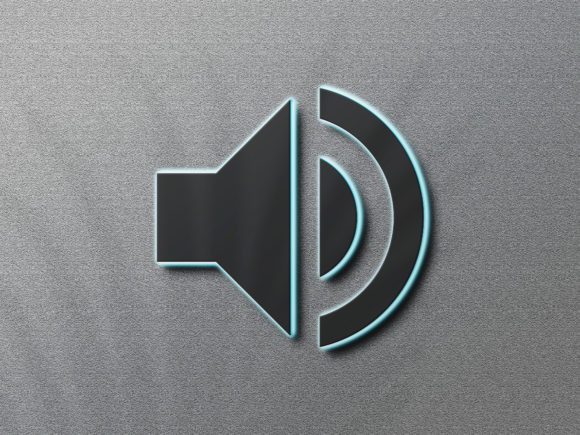
At its core, a 3D realistic neon logo mockup design is a high-fidelity digital rendering that simulates what a logo would look like if it were constructed from real neon glass tubes and mounted in a physical space. Unlike a simple neon filter or a flat vector with a glow effect, a true 3D mockup accounts for lighting, refraction, reflections, beveled edges, and atmospheric haze. The result is a photorealistic representation that conveys depth, texture, and luminosity.
These mockups are typically created using specialized 3D software such as Blender, Cinema 4D, or Adobe Dimension, and then rendered with realistic materials and lighting setups. The goal is to produce an image that feels as if it was photographed in a real environment—whether that is a brick wall, a dark alley, a storefront window, or a studio backdrop. For anyone presenting a brand concept to a client or showcasing a new identity online, this level of realism adds an undeniable layer of professionalism and visual impact.
Common Challenges That 3D Neon Mockups Solve
Many professionals struggle with presenting logo concepts in a way that feels exciting and tangible. A standard two-dimensional vector file, while precise, often fails to convey the mood or atmosphere a brand intends to project. This is especially true for businesses in nightlife, entertainment, creative agencies, tech startups, and fashion—industries where energy, innovation, and edge are core to the brand identity.
Another frequent pain point is the gap between concept and final execution. Clients may approve a flat logo, only to be disappointed when it does not have the same visual punch once applied to signage or promotional materials. By using a 3D realistic neon logo mockup design early in the approval process, you give stakeholders a preview of how the logo will perform in a real-world context. This reduces costly revisions later and builds confidence in the design direction.
Additionally, small business owners and freelancers often lack the budget for professional photography or physical signage prototypes. A 3D mockup serves as an affordable alternative that still delivers high-end presentation value. Whether you are pitching to investors or building a portfolio, a neon mockup communicates that you understand branding beyond the surface level.
How Different Users Approach 3D Realistic Neon Logo Mockup Design
Not everyone comes to this technique with the same background or goals. Understanding how different user types engage with 3D realistic neon logo mockup design can help you decide what approach works best for your own situation.
Graphic Designers and Branding Specialists
For professional designers, a neon mockup is often part of a broader presentation toolkit. You might use it to show a client how a logo looks in a storefront setting, on a product display, or as part of an immersive event installation. The key here is flexibility and customization. Many designers prefer mockups that allow them to swap logos easily, adjust glow intensity, change background colors, or modify the camera angle. A layered PSD or a fully parametric 3D scene is ideal because it lets you iterate quickly without starting from scratch each time. The outcome is a cohesive brand presentation that feels curated and cinematic.
Entrepreneurs and Small Business Owners
If you are a business owner building your own brand, you may not have deep 3D modeling skills. In that case, pre-made templates and mockup generators are your best friend. Many online platforms offer drag-and-drop 3D realistic neon logo mockup design templates that let you upload your logo and receive a professional-grade render in minutes. This approach lowers the technical barrier while still delivering impressive results. You can use these mockups for social media profile images, website headers, promotional flyers, and even product packaging previews. The main consideration here is choosing a template that matches your brand's aesthetic—whether that is gritty urban neon or sleek minimalist glow.
Content Creators and Influencers
For YouTubers, streamers, and social media personalities, a neon logo mockup can serve as an intro animation, a channel banner, or a merchandise design preview. The glowing, futuristic look resonates well with audiences who expect bold visual identity. Many creators opt for animated neon mockups that pulse or flicker, adding motion to their brand presence. If you fall into this category, consider investing in a mockup that includes animation capabilities or a 3D render loop that can be exported as a video file. This adds a dynamic layer to your content that static images cannot match.
Practical Applications and Real Outcomes
The usefulness of a 3D realistic neon logo mockup design extends far beyond a single presentation. Here are several practical scenarios where this tool delivers measurable results.
- Client pitches and proposals: A neon mockup transforms a dry PDF proposal into a visual story. When a client sees their logo glowing in a realistic setting, they connect emotionally with the brand. This increases approval rates and positions you as a designer who goes the extra mile.
- Portfolio building: If you are a designer seeking new clients, your portfolio needs to showcase not just logos but the environments they live in. A gallery of neon mockups demonstrates your ability to think in 3D and handle lighting, which immediately sets you apart from designers who only show flat vectors.
- Social media and advertising: Bright, glowing visuals perform exceptionally well on social feeds. A neon logo mockup used as a cover image, ad creative, or post asset can drastically improve click-through rates. The contrast and luminosity naturally draw the eye, even in a crowded feed.
- Product mockups for merchandise: If your brand sells apparel, accessories, or home decor, a neon mockup can be used to preview logo placement on items like t-shirts, hats, mugs, or neon signs themselves. This helps you test visual appeal before committing to production.
- Event and sponsorship materials: For businesses participating in trade shows, pop-up shops, or sponsored events, a neon mockup can be used to design signage, banners, and digital displays. It gives organizers a clear vision of the final setup, making coordination smoother.
Across all these applications, the common outcome is increased engagement, faster approvals, and a stronger brand presence. The 3D realistic neon logo mockup design acts as a bridge between concept and reality, helping everyone involved see the potential in a design.
Recommendations for Getting the Most Out of a Neon Mockup
To ensure your mockup delivers maximum value, keep these practical considerations in mind.
Start with a clean, high-contrast logo. Neon effects work best on logos with clear shapes and limited detail. Intricate patterns may become muddied when rendered in glowing tubes. Simplify your design to focus on bold lines and distinct forms. If your logo is text-based, choose a font with even stroke widths for the most realistic neon simulation.
Choose your background with intention. The environment in which your neon logo appears dramatically affects its mood. A dark brick wall conveys an urban, edgy feel, while a sleek black or gradient background feels more modern and premium. Consider where your brand actually appears and match the background accordingly. If you sell luxury products, a studio-style backdrop with subtle reflections may work better than a graffiti alley.
Pay attention to glow and shadow. Real neon is not just bright—it casts light on surrounding surfaces and leaves a subtle halo. Ensure your mockup includes realistic bloom, ambient glow, and soft shadows. Overly sharp edges will break the illusion of realism. If you are using a template, look for one that offers adjustable glow radius and intensity sliders.
Use multiple angles for depth. A single front-facing view is fine, but presenting your logo from two or three different angles suggests a physical object with volume. This is especially valuable for portfolios or product listings where you want to emphasize the dimensionality of the design. Show the logo slightly tilted, from a low angle, or with a subtle perspective shift to reveal the thickness of the neon tubes.
Important Considerations Before You Start
While 3D realistic neon logo mockup design is a powerful tool, it is not always the right choice for every brand. If your brand identity relies on soft, organic, or handcrafted aesthetics, neon may feel too industrial or futuristic. Similarly, if your primary use case is a black-and-white business card or a formal letterhead, a neon mockup adds little practical value. Use this technique where it aligns with your brand voice and audience expectations.
Also, consider the technical requirements. High-quality 3D renders demand a decent computer, especially if you are working with complex lighting simulations or animations. If you are using online mockup generators, check the file resolution before downloading to ensure it meets your needs for print or high-resolution display. Low-resolution mockups can look pixelated and cheap, undermining the professional impression you are trying to create.
Finally, remember that a mockup is a tool for communication, not a substitute for final production. A neon render shows potential, but actual neon signage involves different materials, wiring, and installation constraints. Use the mockup to inspire and inform, but always consult with a fabricator before committing to production.
Moving Forward with Confidence
Embracing 3D realistic neon logo mockup design equips you with a visual asset that speaks louder than words. Whether you are a designer aiming to impress clients, a business owner building a brand, or a creator seeking a distinctive identity, this approach offers a practical path to more compelling presentations and stronger audience engagement. By focusing on realistic lighting, thoughtful backgrounds, and a clean logo foundation, you can create mockups that not only look stunning but also serve a genuine purpose in your branding workflow. Start small, experiment with different styles, and let the glow of a well-crafted mockup light the way to your next big opportunity.